

Article: The Indian Art of Accessorizing: How to Coordinate Jewelry, Hair Clips, Bangles, and Bindi

The Indian Art of Accessorizing: How to Coordinate Jewelry, Hair Clips, Bangles, and Bindi
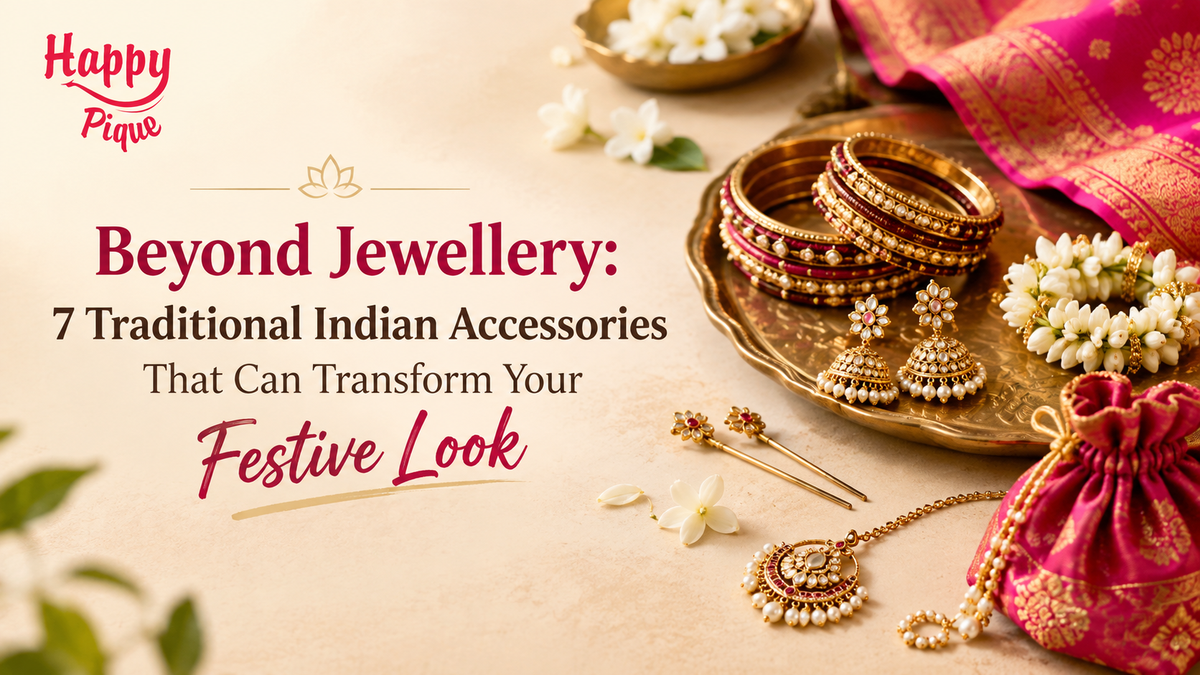
Indian fashion has always celebrated the beauty of details. A saree may create the foundation of an outfit, but it is the combination of jewellery, hair accessories, bangles, and a bindi that often brings the entire look together. The art of accessorizing is not about wearing as many pieces as possible. It is about choosing the right details and making them work together.
From a simple family gathering to a festive celebration or wedding function, carefully coordinated traditional Indian accessories can transform the way an outfit looks and feels. The right combination can make a simple saree look elegant, add character to a salwar suit, or give a contemporary outfit a traditional touch.
At Happy Pique, you can find a variety of accessories that can be mixed and matched to create different ethnic looks. But before choosing individual pieces, understanding how to coordinate them can help you create a more balanced and stylish appearance.
Start With the Outfit, Not the Accessories
One of the easiest ways to coordinate accessories is to start with the outfit. Instead of choosing jewellery first and trying to make everything else match, look at the colour, fabric, pattern, and overall style of your clothing.
A heavily embroidered saree already contains plenty of visual detail. In this case, you may want to choose simpler accessories. On the other hand, a plain or minimally designed saree gives you more freedom to experiment with statement jewellery, colourful bangles, decorative hair clips, or floral hair accessories.
Think about your outfit as the base and your accessories as the finishing details. They should complement one another rather than compete for attention.
For example, if your outfit has gold detailing, gold-toned accessories can create a cohesive appearance. If your outfit has bright colours, you can either coordinate your accessories with one of those colours or introduce a complementary shade.
1. Coordinate Your Jewellery With the Overall Look
Jewellery is often the first thing people think about when styling a traditional outfit. However, the jewellery does not have to match every other accessory exactly.
Instead, focus on creating visual harmony.
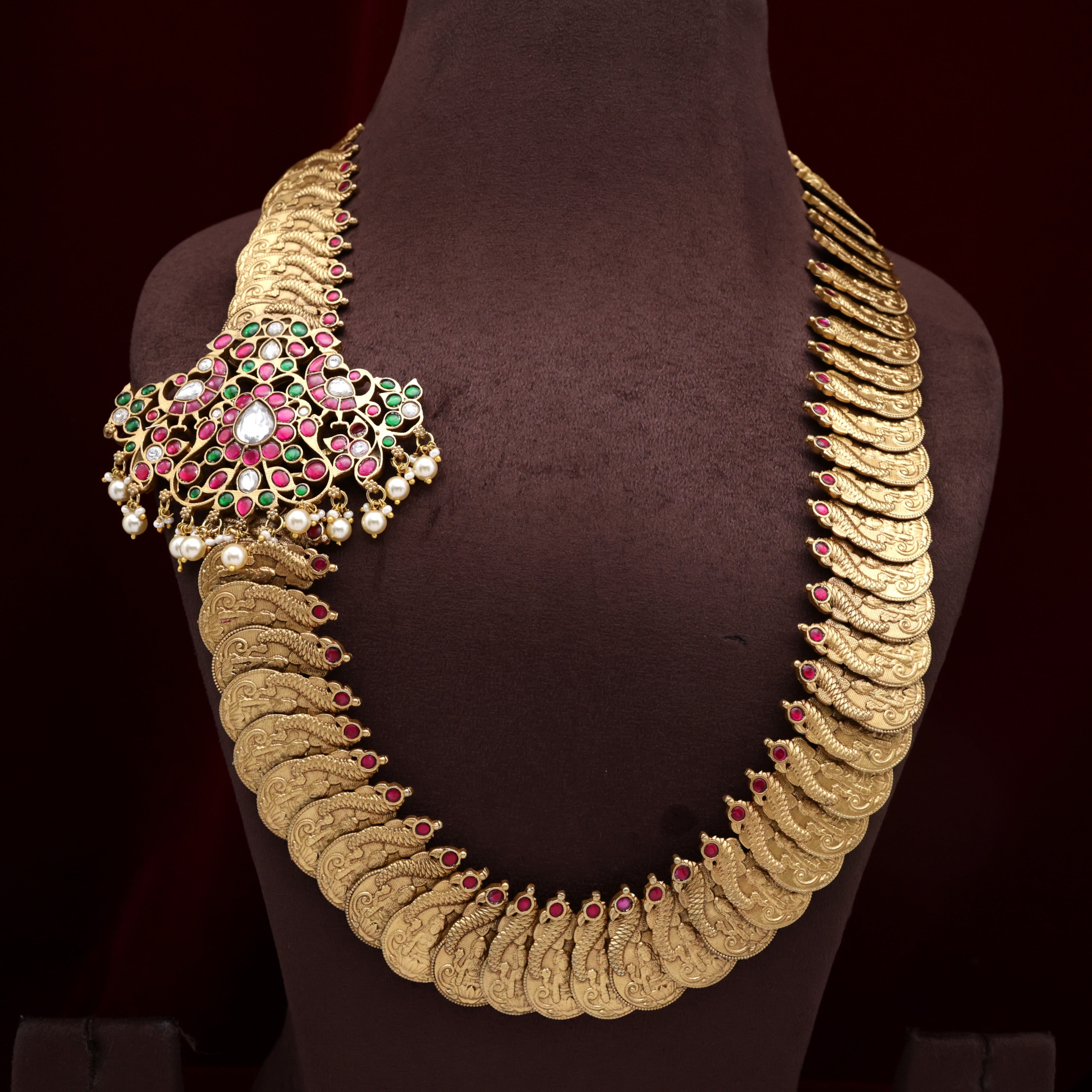
If you are wearing a statement necklace, you can keep your earrings and rings relatively simple. If your necklace is delicate, you have more freedom to experiment with larger earrings or other traditional jewellery pieces.
Rings are particularly useful for adding a finishing touch without making the outfit look overloaded. A traditional ring can connect your jewellery with your bangles while adding a small detail to your hands.
When choosing jewellery for ethnic wear, consider three things:
-
The colour of the outfit
-
The amount of embellishment
-
The occasion
A family function may call for a more traditional combination, while a casual festive gathering may work better with lighter accessories.
You can explore Happy Pique's traditional jewellery collection to find pieces that can be combined with different ethnic outfits.


2. Let Your Hair Accessories Complete the Jewellery
Your hairstyle is another important part of traditional dressing. Even when your jewellery is carefully selected, the overall look can feel incomplete if the hairstyle and accessories do not complement each other.
This is where traditional hair accessories can make a difference.
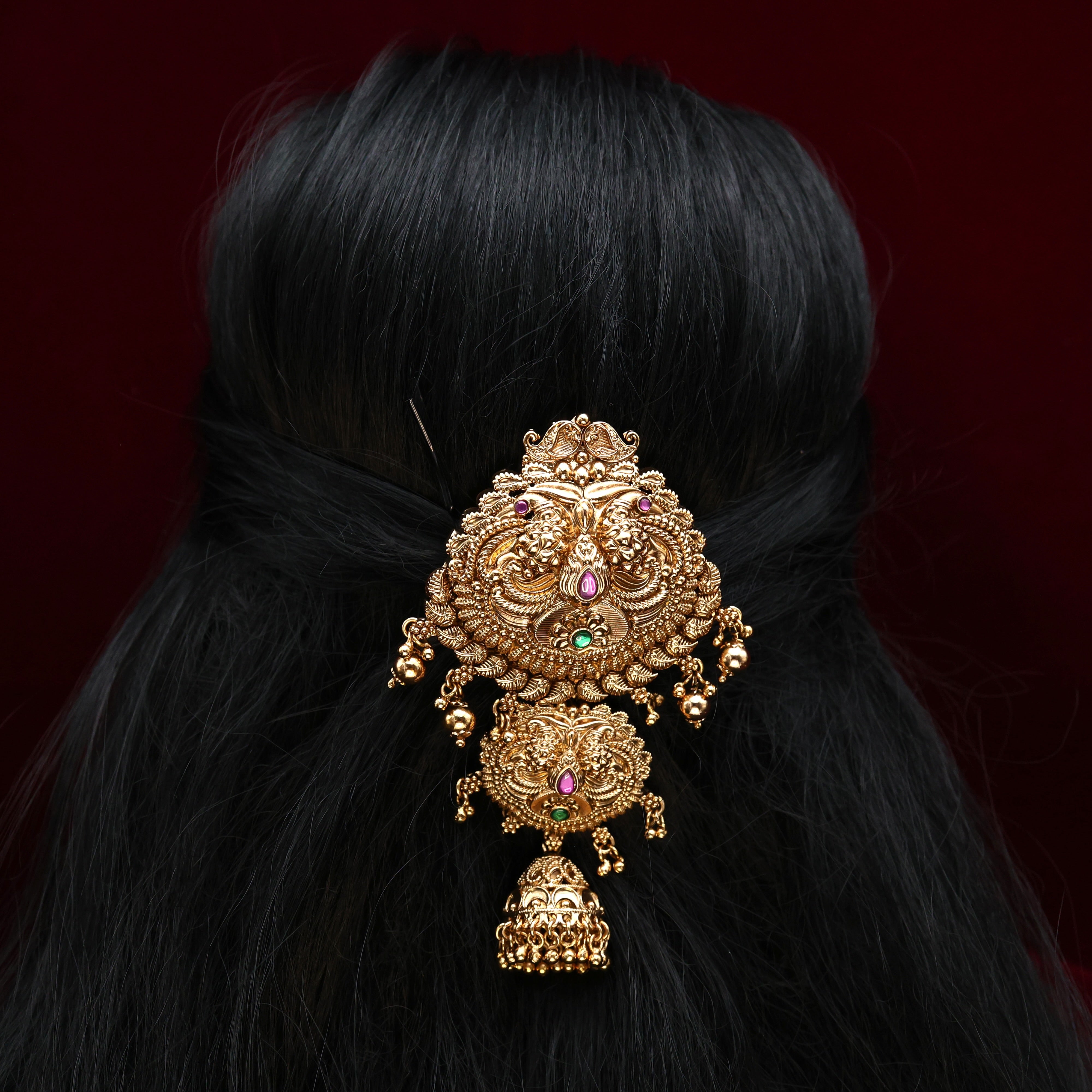
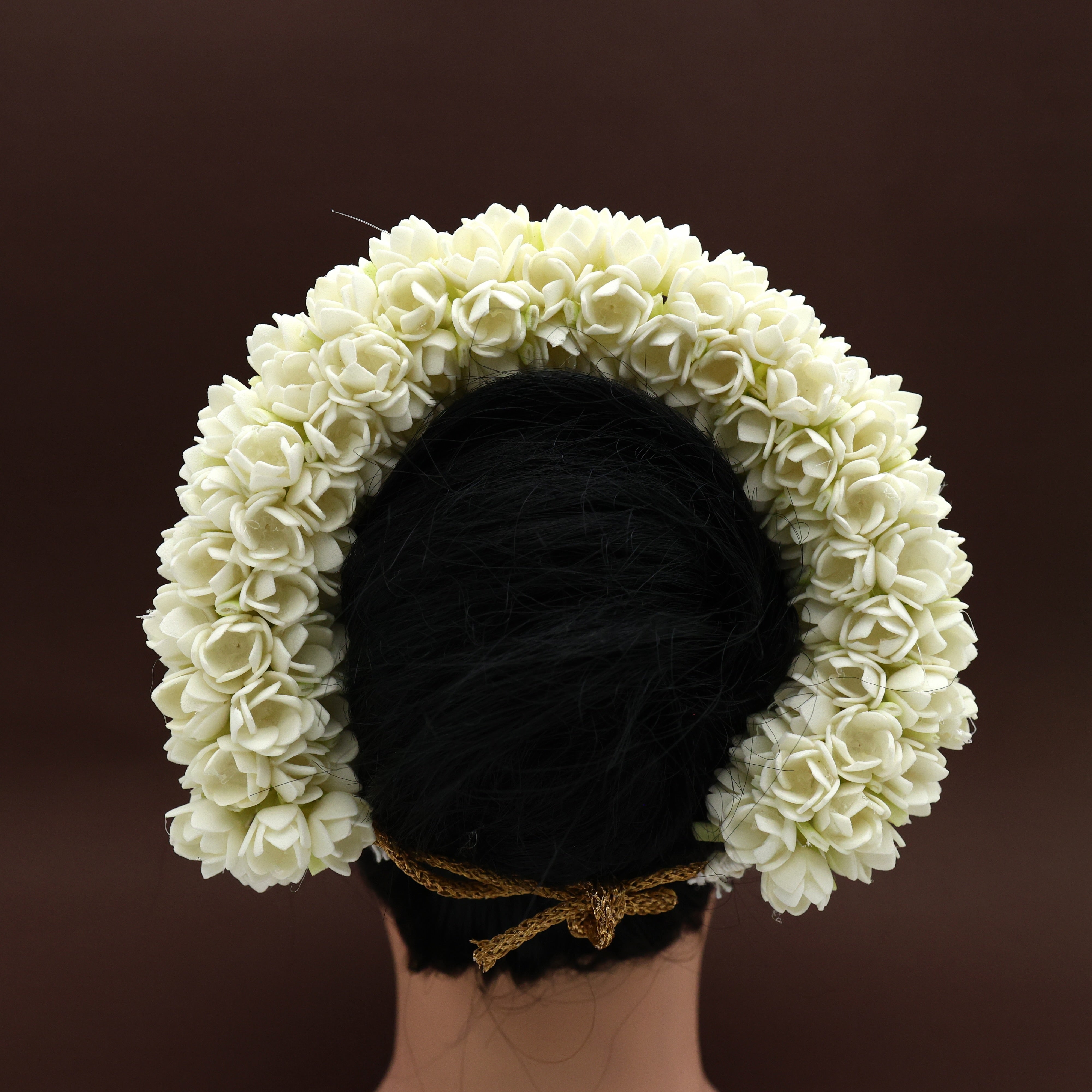
Artificial jasmine flowers, floral hair accessories, decorative hair clips, and French barrettes can all be used depending on the hairstyle and occasion.
For example, a long braid paired with jasmine flowers creates a classic traditional appearance. A low bun with a decorative clip can create a more contemporary ethnic look. You do not need to use elaborate hair accessories with heavy jewellery. Sometimes, a single well-chosen piece is enough.
If your earrings are large or detailed, choose a hairstyle that keeps the face visible. If your jewellery is minimal, a decorative hair accessory can become the highlight of the look.
3. Use Bangles to Connect Colours
Bangles are one of the easiest ways to introduce colour and movement into an ethnic outfit. They can also help connect different elements of your look.
Suppose you are wearing a saree with a small amount of green detailing. You could introduce green bangles alongside gold or neutral-toned ones. This creates a connection between the outfit and accessories without requiring every item to be the same colour.
You can also experiment with contrasting colours. A simple outfit can become more vibrant when paired with a carefully chosen combination of bangles.
However, avoid selecting too many unrelated colours. Choosing two or three complementary shades usually creates a more coordinated appearance.
For a more traditional look, stack several bangles. For a contemporary outfit, a smaller combination can look cleaner and more understated.
Explore Happy Pique's bangle collection when you want to add colour, texture, and movement to your festive outfits.


4. Choose the Right Bindi for the Outfit
A bindi may be small, but it can have a noticeable effect on the overall appearance of a traditional outfit. The colour, shape, and size can change the mood of your look.
A small round bindi can work beautifully with an understated saree or everyday ethnic outfit. A more decorative bindi can complement a festive or traditional ensemble.
One useful approach is to coordinate the bindi with either your outfit or jewellery. It does not necessarily have to be an exact match. A complementary shade can sometimes look more interesting.
For example, if your saree has maroon detailing, you could choose a maroon bindi or a deeper red shade. If your jewellery is predominantly gold, a traditional red bindi can provide a classic contrast.
Bindi books are also useful if you frequently change outfits. Having different shapes and colours available allows you to choose according to the occasion instead of relying on one design.
Happy Pique's bindi collection offers an opportunity to experiment with different traditional looks while keeping this small but important detail in focus.
5. Create a Connection Between Your Accessories
The secret to good accessorizing is not making everything identical. Instead, try to create connections between different pieces.
Your jewellery, hair clips, bangles, and bindi can be connected through:
Colour:
Choose accessories that share one or two colours with your outfit.
Finish:
If your jewellery has a gold-toned finish, accessories with warm metallic details can create continuity.
Style:
Traditional jewellery works naturally with floral hair accessories, bangles, and a classic bindi.
Scale:
If one accessory is large and dramatic, keep the remaining pieces relatively subtle.
This creates a layered look without making it appear crowded.
6. Follow the “One Statement Piece” Rule
When you are unsure how many accessories to wear, choose one statement piece and build around it.
For example, if you are wearing a large pair of earrings, you may not need a heavy necklace. Instead, add simple bangles, a ring, and a neat hair accessory.
If your hair is decorated with prominent artificial flowers, keep the jewellery relatively balanced.
Similarly, if your bangles are colourful and noticeable, you can choose simpler rings and earrings.
This approach is especially useful for festive occasions because it allows you to look dressed up without making every part of the outfit compete for attention.
7. Accessorizing Is Also About Convenience
Looking stylish is important, but comfort and convenience matter too. An accessory that constantly needs adjustment can make it difficult to enjoy an event.
Choose hair clips that hold your hairstyle comfortably, jewellery that suits the length of the event, and bangles that allow you to move your hands freely.
It is also helpful to keep your accessories organised. When jewellery, bindis, rings, and hair accessories are stored separately, it becomes easier to find the right pieces when you are getting ready.
A jewellery organiser from Happy Pique can help keep smaller accessories arranged and accessible, especially if you have different pieces for different occasions.
How to Build a Complete Traditional Look
If you are getting ready for a festive occasion and are unsure where to start, try this simple sequence:
Step 1: Choose your outfit and identify its dominant colours.
Step 2: Select your main jewellery piece.
Step 3: Choose bangles that complement either the outfit or jewellery.
Step 4: Decide whether your hairstyle needs flowers, a decorative clip, or another hair accessory.
Step 5: Select a bindi that complements the overall colour combination.
Step 6: Add a ring or another small accessory as a finishing detail.
Step 7: Look at the complete outfit before adding anything else.
If the outfit already feels complete, stop there. Good accessorizing is often about knowing when not to add another piece.
Final Thoughts
The Indian art of accessorizing is about balance, creativity, and personal expression. Jewellery, hair clips, bangles, rings, and bindis do not have to match perfectly to create a beautiful look. What matters is how thoughtfully they work together.
A traditional outfit can be styled in many different ways simply by changing the accessories. The same saree can look elegant with delicate jewellery and floral hair accessories, festive with colourful bangles and a statement bindi, or contemporary with a decorative hair clip and minimal jewellery.
With the wide variety of traditional Indian accessories available at Happy Pique, you can experiment with combinations that suit your outfit, occasion, and personal style.
So, the next time you dress for a festive celebration, look beyond simply choosing jewellery. Think about the complete picture—your outfit, hair, jewellery, bangles, bindi, and the small details that bring everything together. After all, sometimes the art of dressing beautifully lies not in adding more, but in choosing the right details.

Leave a comment
This site is protected by hCaptcha and the hCaptcha Privacy Policy and Terms of Service apply.