

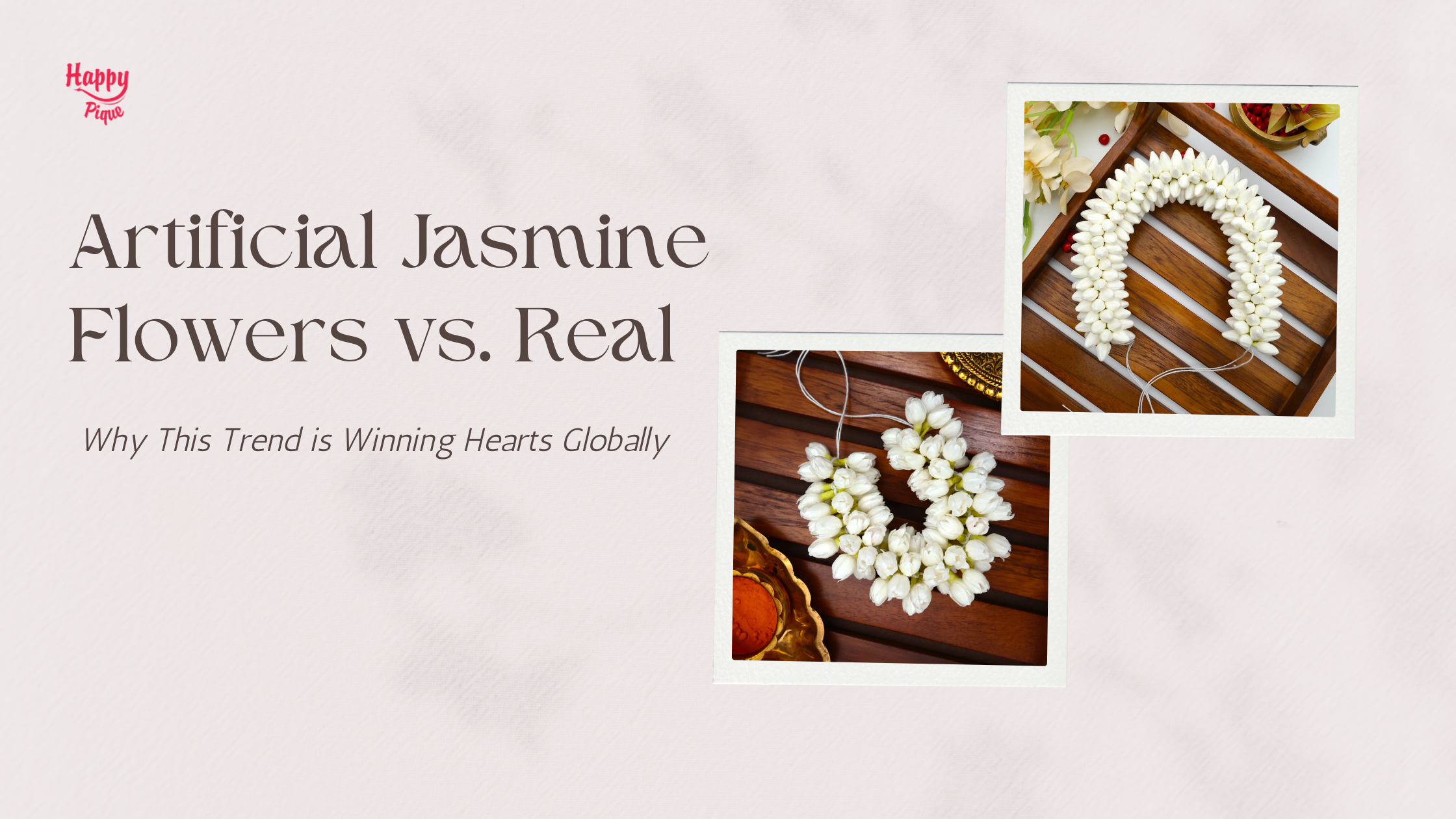
Artificial Jasmine Flowers vs. Real: Why This Trend is Winning Hearts Globally
For generations, the delightful scent of jasmine has been used to decorate houses, decorate hair, and perform sacred functions in religious rituals. However, the world of floral arrangements is undergoing a quiet revolution as customs collide with contemporary functionality.
In many countries worldwide, artificial jasmine flowers are becoming very popular. This is changing how we approach old practices while preserving their cultural meaning. The best part is how jasmine doesn't grow everywhere despite having global appeal. This is why brands like Happy Pique are acing the game with their real looking jasmine flowers. They satisfy the needs of flower enthusiasts worldwide.
The Cultural Significance That Drives Demand
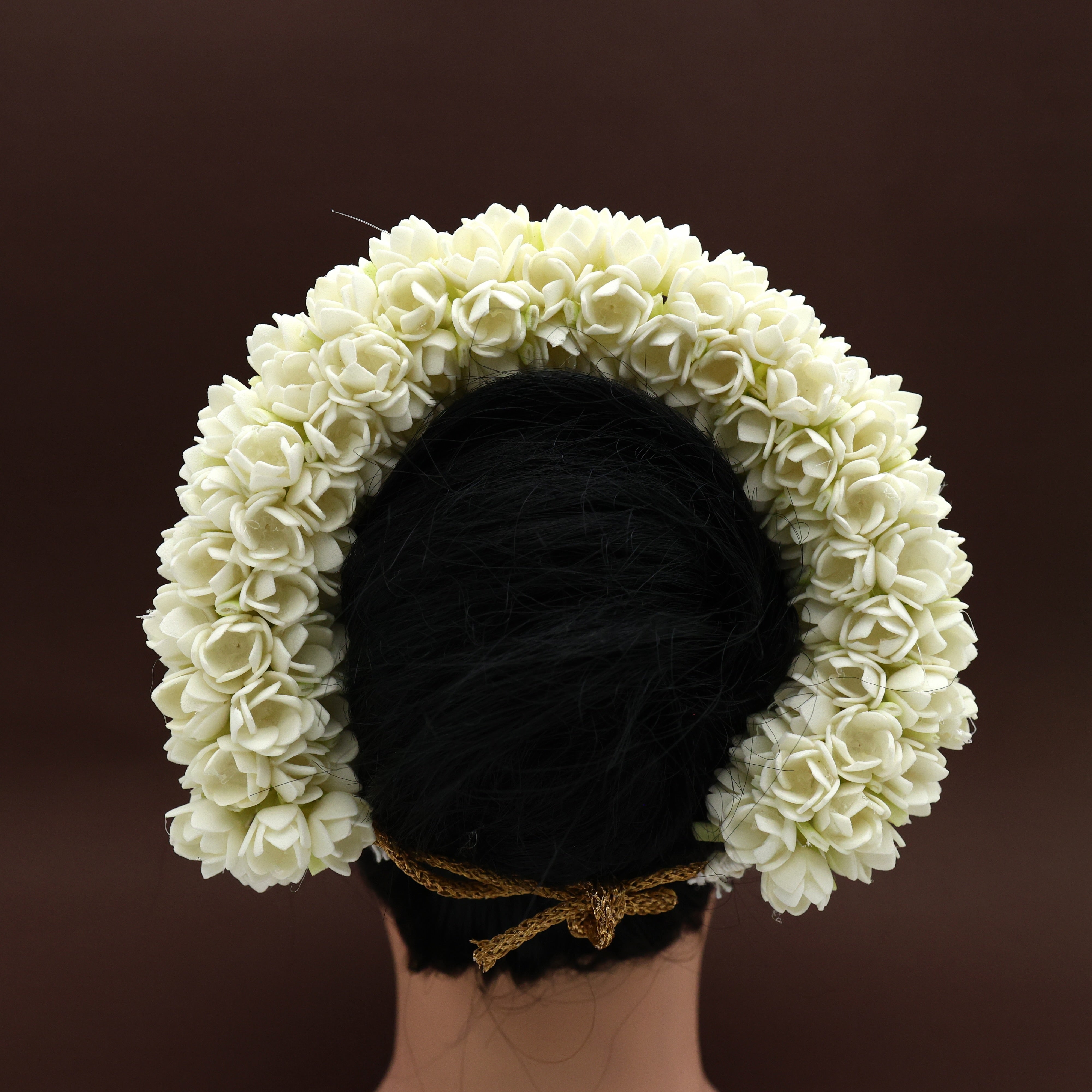
South Asian groups around the world attach great cultural significance to jasmine blooms. Jasmine threads known as "malligai" or "gajra" are used in traditional South Indian hairstyles and are thought to be necessary for married ladies. They represent prosperity, love, and purity. The custom serves as a cultural identity marker that ties diaspora populations to their heritage and goes beyond simple decorating.

Jasmine blossoms are a symbol of fresh starts and marital happiness for women getting ready to get married. Many wedding rites require the use of white petals, which are thought to bring good fortune. Because of its worldwide appeal and cultural relevance, men who are looking for thoughtful return gifts for guests frequently select things with a jasmine theme.
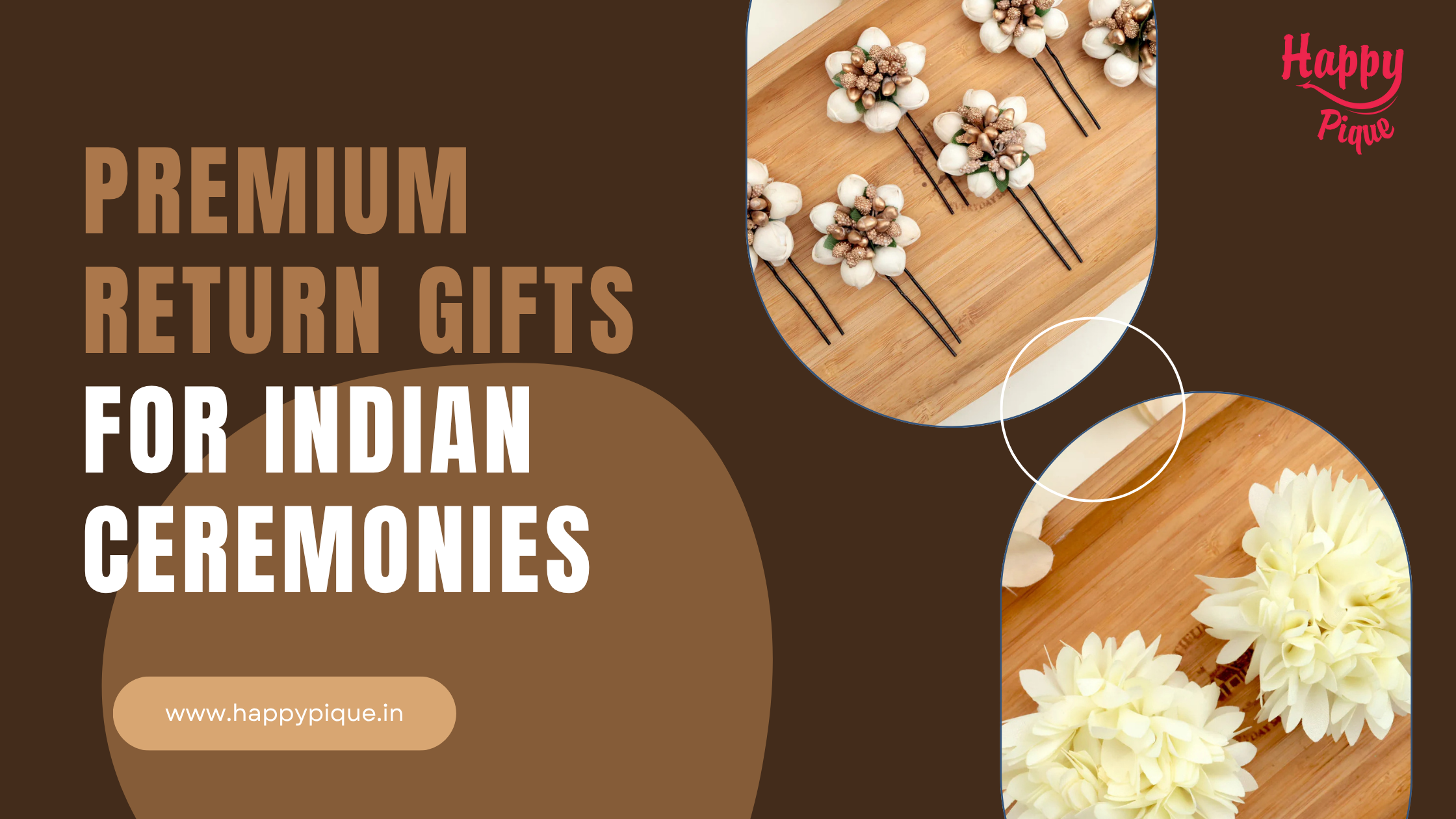
Hair U-pins, French barrette clips, and decorative hair bands all make great return gifts for guests who attend your functions. They are also a suitable option or for bulk gifting to friends and relatives at the function. They can even be gifted during mehendi functions, baby showers, and other events focused on women.
Furthermore, it is impossible to ignore the religious significance. Hinduism views jasmine as sacred, and it is commonly utilised in puja rituals. It can be difficult and costly for families to find fresh jasmine for daily worship in places like Singapore, the UK, or Malaysia. Because of this, there is now a substantial market for superior real looking substitutes that can fulfil religious functions without sacrificing dedication.
The Practical Revolution: Why This Style is Winning
The shift toward artificial jasmine flowers isn't just about convenience – it's about solving real problems that modern families face. Fresh jasmine flowers typically last only 6-8 hours before wilting, especially in air-conditioned environments common in urban homes and offices. For working women who spend long days at the office, this means their carefully arranged hair accessories lose their charm by midday.

With the right maintenance, ever fresh jasmine flowers - especially premium silk and foam varieties - keep their beauty for months or even years. They are popular among busy professionals who wish to preserve traditional elegance without daily care because of their longevity. By purchasing real looking jasmine, a prospective bride can use the same flowers for engagement pictures, other pre-wedding events, and even the wedding day.
The consistency component is just as crucial. The quality of fresh jasmine varies greatly according to the time of year, the climate, and the mode of transportation. It is almost impossible to find fresh jasmine of high quality during monsoons or periods of intense heat. Artificial flowers remove this uncertainty, guaranteeing that unavailable or subpar flowers won't ruin special moments.
Economic Benefits That Make Sense
The financial advantages of ever fresh jasmine flowers become apparent when you calculate long-term costs. In metropolitan cities across India, a single string of fresh jasmine can cost anywhere from ₹20 to ₹100 depending on quality and season. For daily wear, this translates to ₹600-₹3000 monthly just for hair accessories.

With the right maintenance, high-quality foam jasmine blossoms can endure 6–12 months, even though they cost more up front (₹200–₹800 each piece). Because of this, they are far more cost-effective for frequent use. The disparity in expense is much more pronounced for families that reside overseas. In nations like the USA or the UK, fresh jasmine can cost $5 to $15 per string, making it unaffordable for most households to use on a daily basis.
Foam jasmine has also become popular among wedding planners for elaborate décor. For hair style alone, hundreds of jasmine strings may be needed for a typical South Indian wedding. While maintaining a constant level of quality throughout the wedding, using fake flowers can cut floral expenses by 60–70%. Due to its affordability, real looking jasmine has become especially well-liked by families organising multi-day celebrations or vacation weddings.
Quality Evolution: When Artificial Rivals Natural
The quality of artificial jasmine flowers has improved dramatically in recent years. Modern manufacturing techniques using silk, high-grade foam, and specialized polymers create flowers that closely mimic the texture and appearance of real jasmine. The best foam jasmine flowers now feature realistic color gradients, natural-looking stems, and even subtle variations in petal size that mirror nature's imperfections.

Premium fake jasmine flowers have attributes that natural flowers cannot match for discriminating consumers. UV-resistant materials guarantee that ceremonies held outside won't fade right away. Because of their water-resistant coats, flowers won't be harmed by humid weather or sudden downpours. In order to achieve a gentle jasmine perfume without the overpowering intensity of genuine flowers, some manufacturers even use light scents.
The texture has also changed a lot. Modern silk jasmine flowers have a delicate, natural texture that feels good on skin and hair, unlike early fake flowers that were clearly manufactured. For the Indian market for hair accessories, where flowers come into constant contact with the wearer throughout the day, this tactile enhancement has proved essential.
Global Accessibility and Diaspora Connections
One of the strongest drivers of fake jasmine popularity is accessibility for diaspora communities. Finding fresh jasmine in Western countries often means traveling to specific ethnic neighborhoods or paying premium prices for imported flowers that may arrive wilted or damaged. This challenge is particularly acute for puja flowers abroad, where religious observance requires specific flower types.

Traditional aesthetics are now accessible to all thanks to foam jasmine blossoms. These days, premium fake jasmine is shipped all over the world by internet merchants, enabling families in far-flung places to continue their cultural customs. For second and third generation immigrants who might otherwise find it difficult to obtain traditional products, this accessibility has improved cultural ties.
Additionally, new commercial prospects have been made possible by the supply's regularity. Real looking jasmine decor is increasingly used year-round at Indian temples and restaurants in the USA and the UK to create realistic ambiances for their patrons. The real looking flowers have been used for permanent displays at cultural centres, saving money on maintenance while maintaining traditional aesthetics.
Hair Accessories and Modern Styling Trends
The integration of artificial jasmine into contemporary hair styling has created exciting new possibilities. Modern flower venis (hair accessory clips) incorporate ever fresh jasmine with contemporary design elements, appealing to younger generations who want to honor tradition while expressing personal style.
Ever fresh jasmine has gained popularity among professional hairstylists due to its dependability for special occasions and picture shoots. Artificial jasmine keeps its beauty over time, unlike actual flowers that may wilt in a studio or during extended photo sessions. Because of their dependability, bridal styling portfolios in all target nations now include them as standard.
Foam jasmine's adaptability also appeals to contemporary tastes. Modern techniques use jasmine in half-ups, buns, and even western hairstyles, but traditional styling emphasises long braids with jasmine threads. Because of its versatility, the market has grown to include fashion-conscious people who value style without necessarily adhering to conventional norms.
Decorations and Offerings to Idols
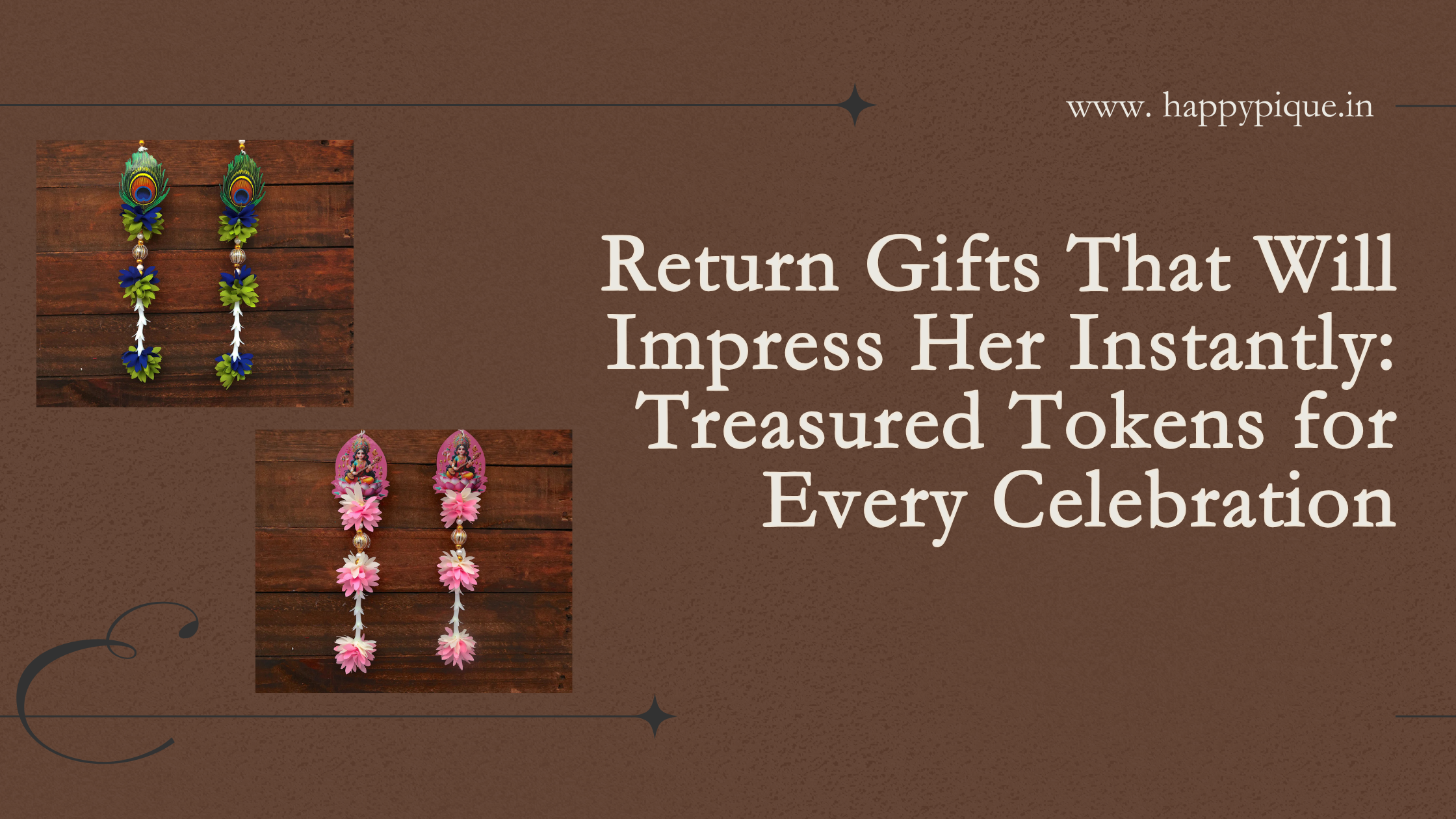
At Happy Pique, you can also find reusable fabric malas. These pieces are ideal for idols and God statues at home or the event venue. You can use them to adorn your idols during festivals like Varalakshmi Nombu, Navaratri, and Vijayadasami.
These garlands are budget friendly and reusable. This means you need to pay a small price only once to keep using the malas for various events year round. These garlands never go out of style so you can use them every year to make work easier for you. Just place these one foot long garlands around your idols and watch them shine.

Making the Right Choice for Your Needs
The choice between fresh and foam jasmine flowers ultimately comes down to personal preferences and situations. For everyday use, extended special events, or circumstances when dependability is essential, fake jasmine flowers provide definite benefits. They are perfect for frequent use and big events because of their affordability, consistency in look, and durability.
The decision isn't clear-cut, though. Nowadays, a lot of families take a hybrid approach, using fake flowers for everyday wear and decoration and saving natural jasmine for important religious rituals. This well-rounded strategy embraces useful advantages while respecting customary preferences.

If you're new to foam jasmine, you can try without spending a lot of money by starting with little pieces like flower venis or short strings. Many users eventually move to using real looking flowers for more occasions as their comfort level with them increases, saving fresh flowers for the most revered rituals.
More than just a practical change, the global trend for fake jasmine flowers aims to preserve the cultural importance that makes these blooms so beloved throughout generations while keeping classic beauty sustainable, inexpensive, and accessible for contemporary living.




Leave a comment
This site is protected by hCaptcha and the hCaptcha Privacy Policy and Terms of Service apply.